Advayu
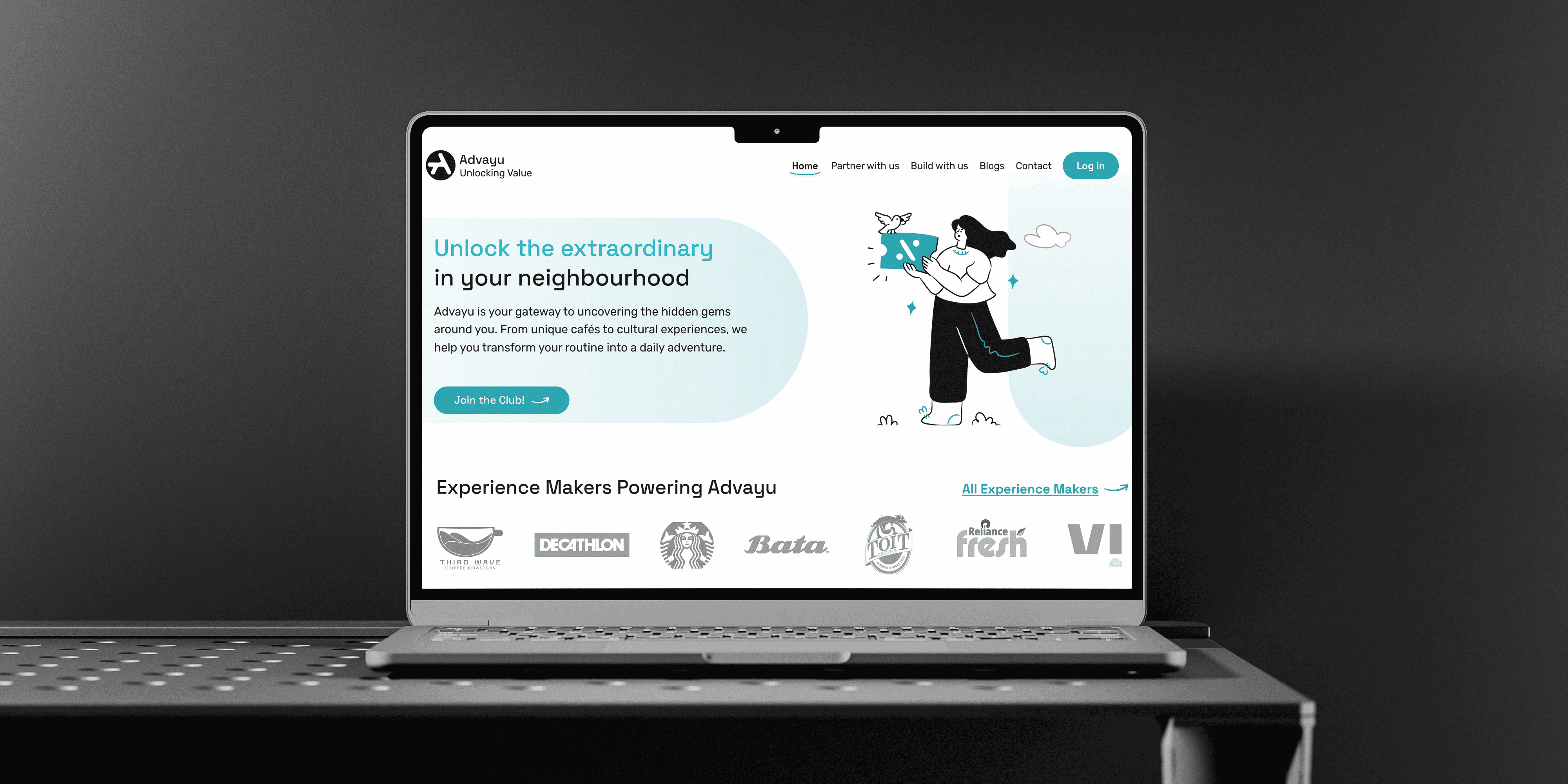
A location-based platform enabling brands to onboard independently, manage offers, and track real-world engagement.
Type
Client Project
Timeframe
3 months
Toolkit
Figma · Miro
Year
2024
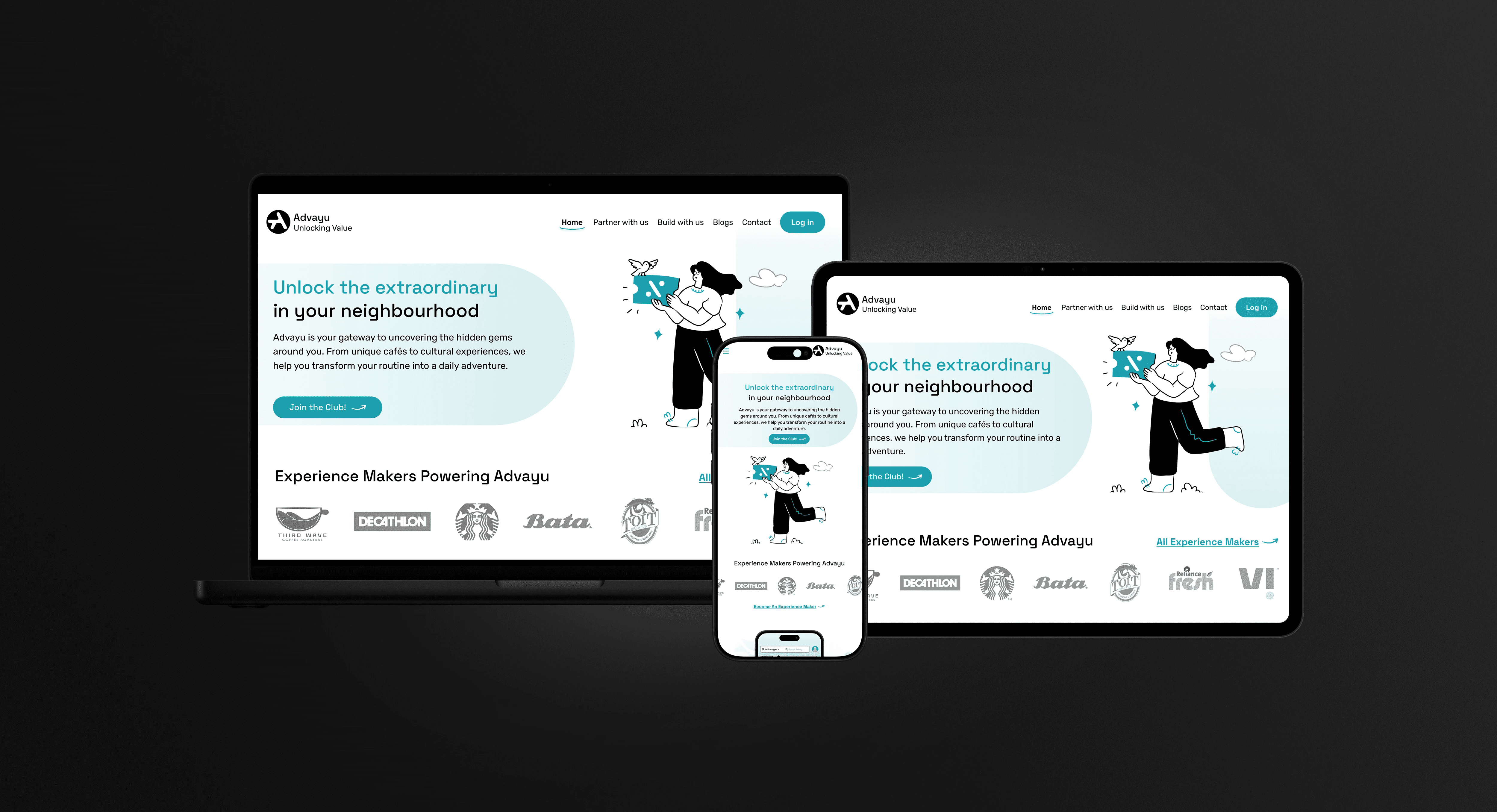
Problem
As Advayu grew, onboarding, offer creation, and analytics became spread across loosely structured flows. For non-technical business owners, this made the platform feel complex and difficult to use independently, leading to confusion, low confidence, and reliance on support.
Solution
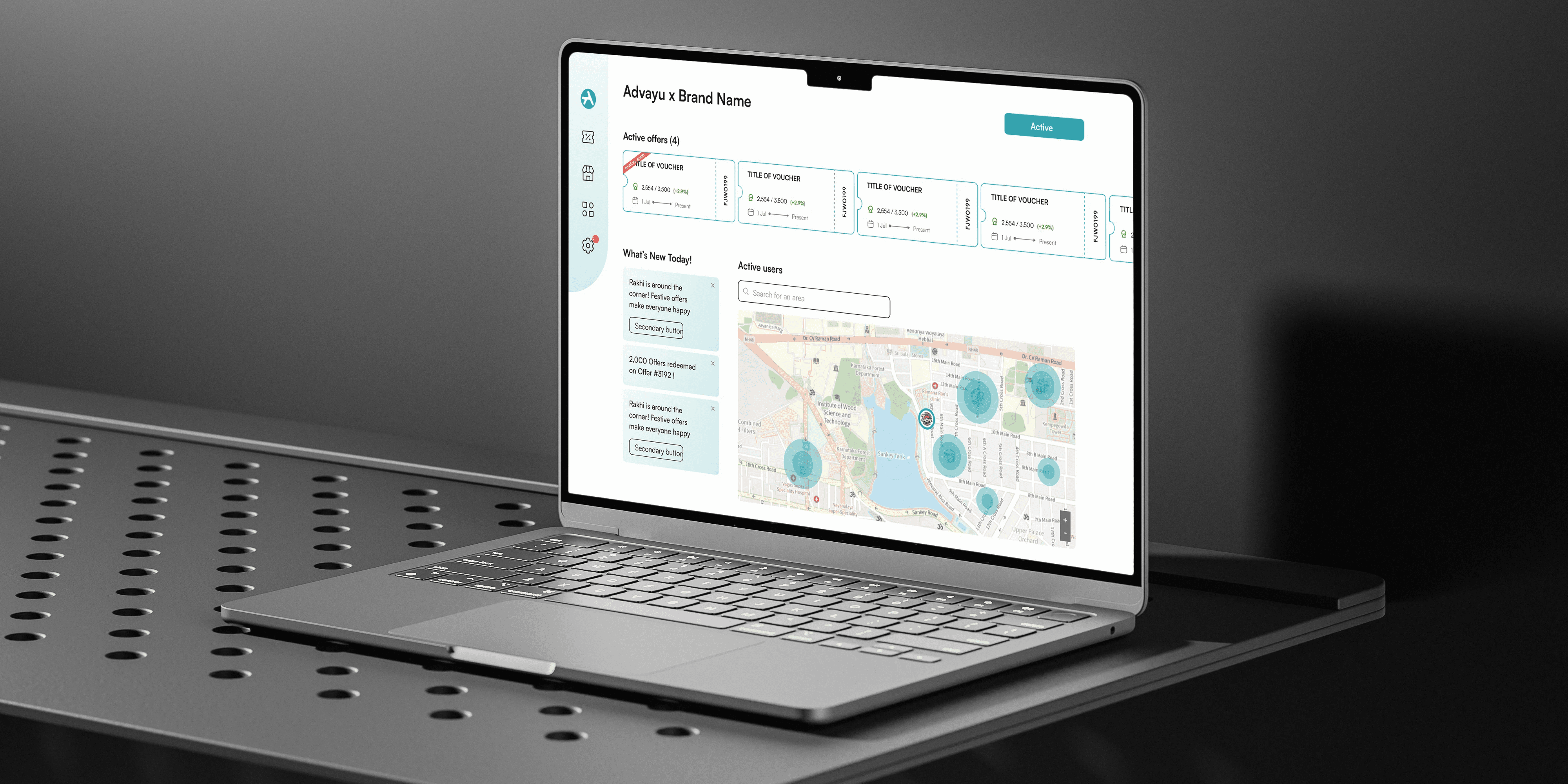
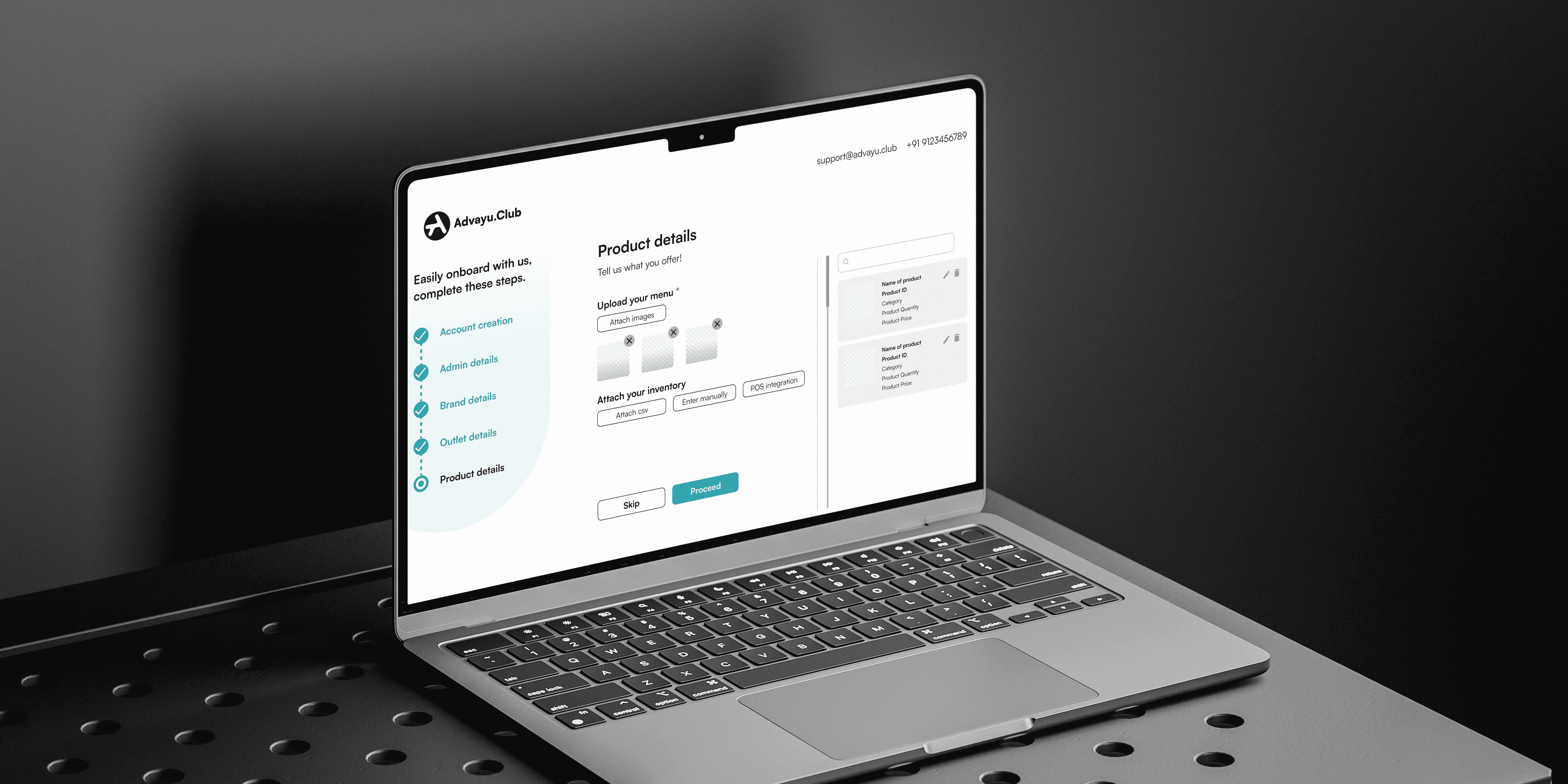
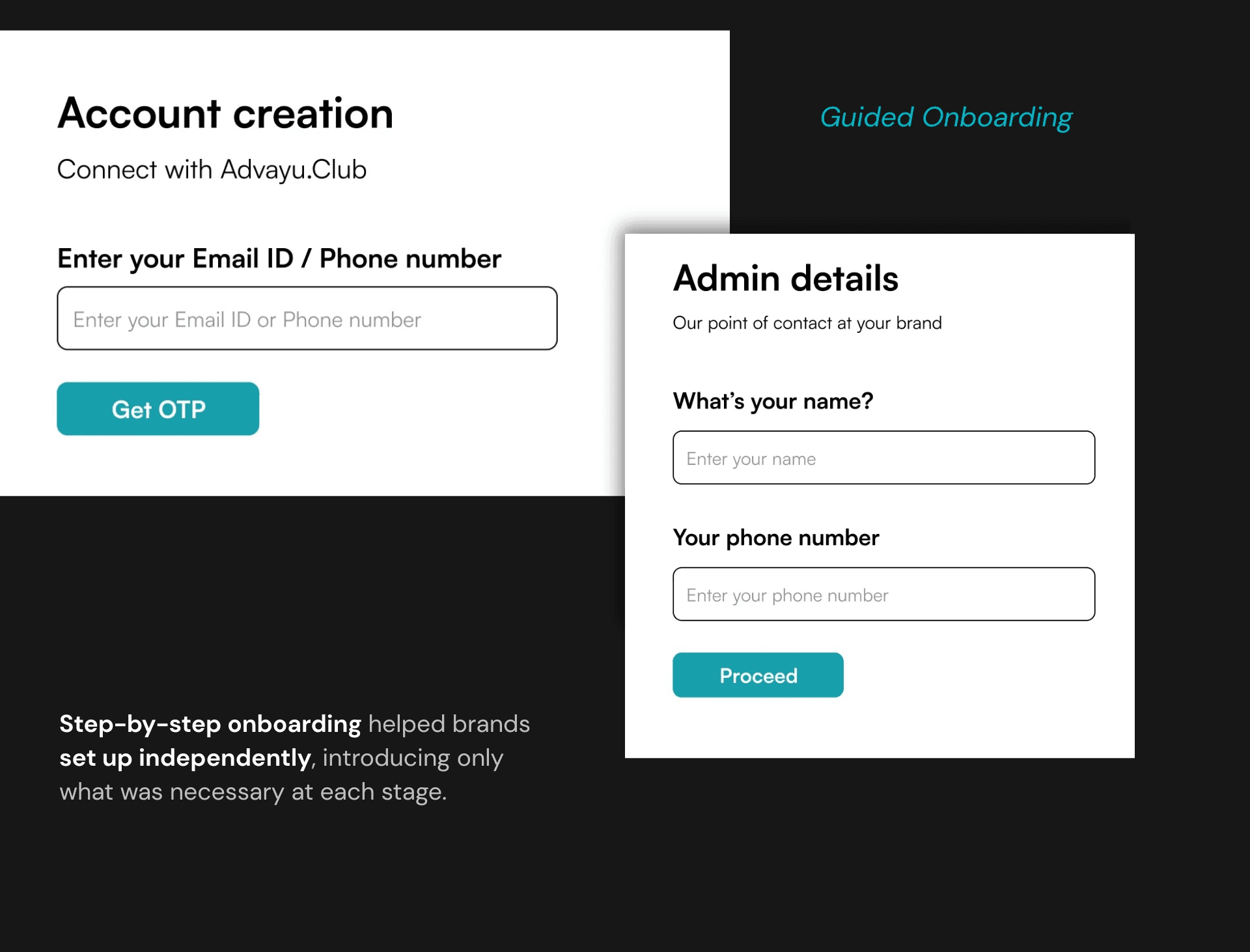
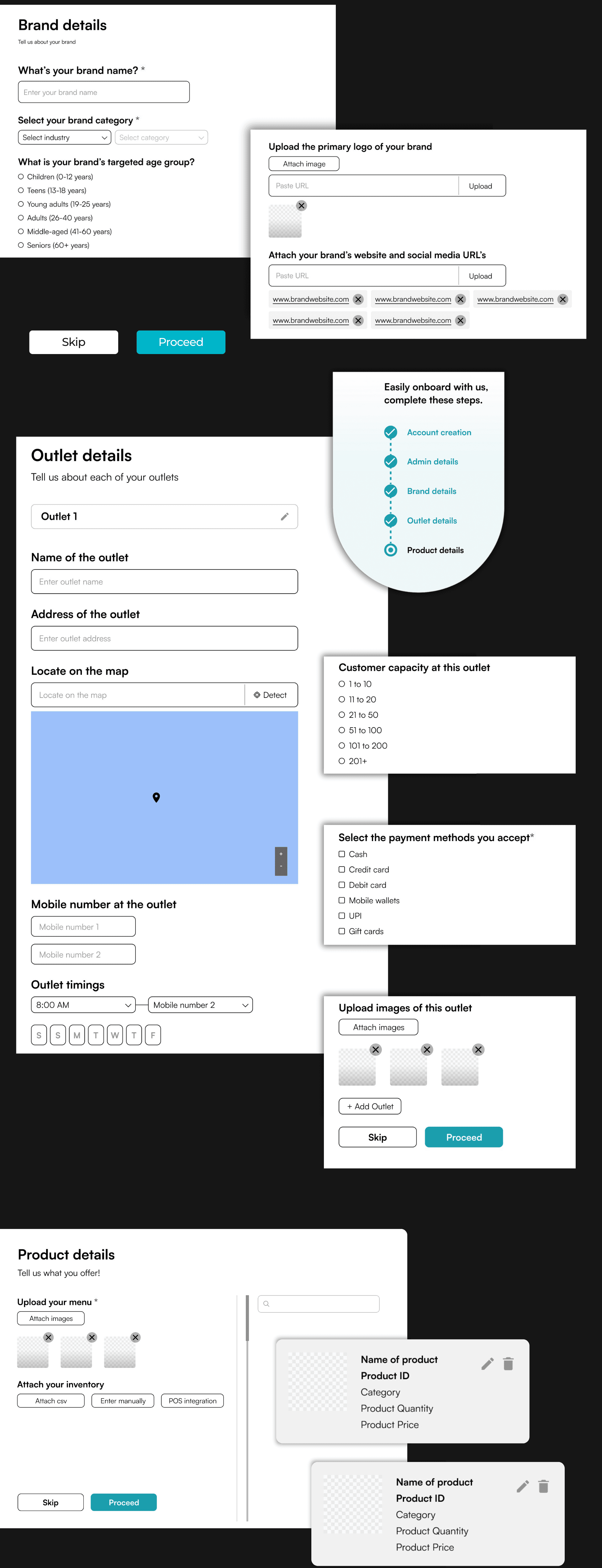
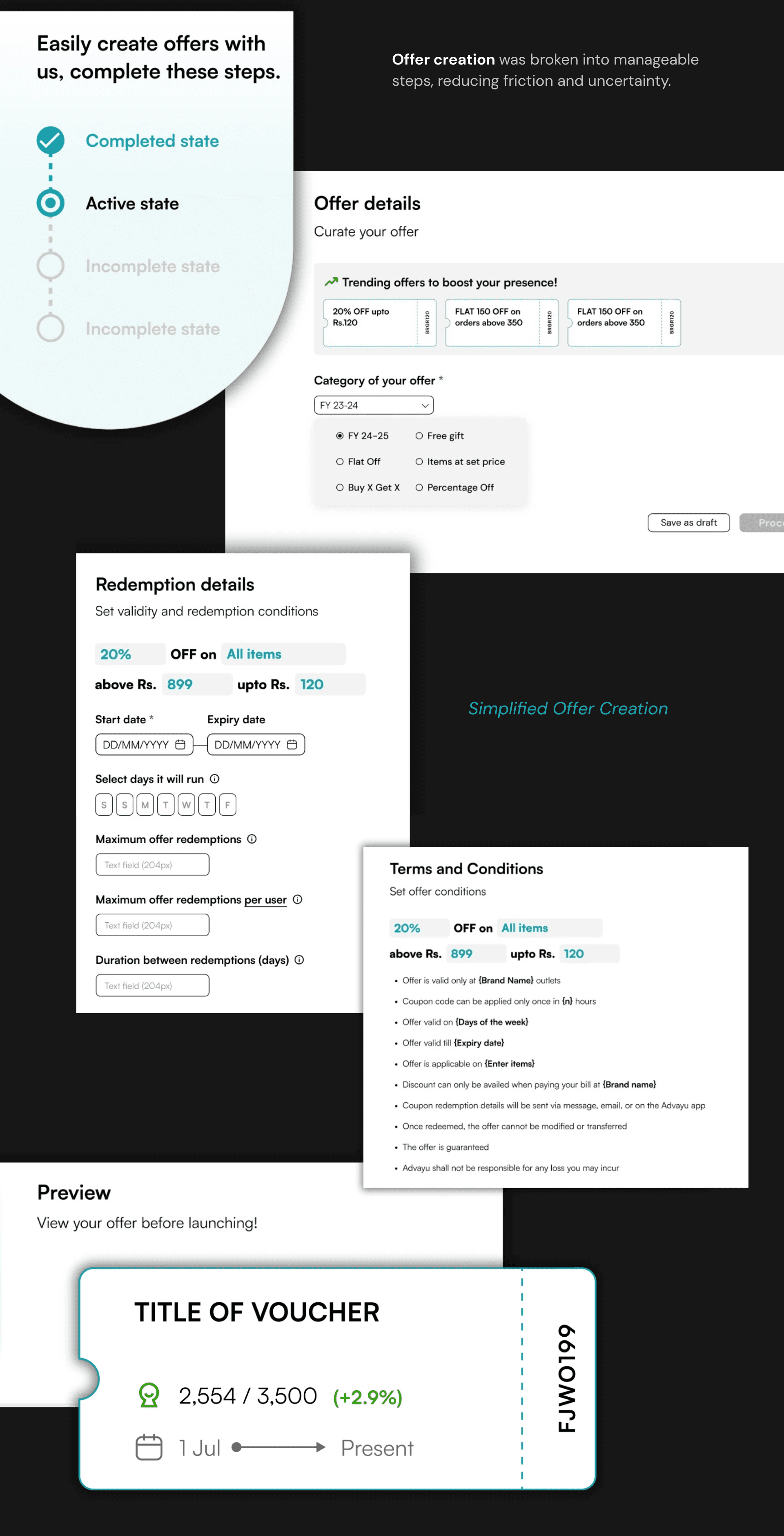
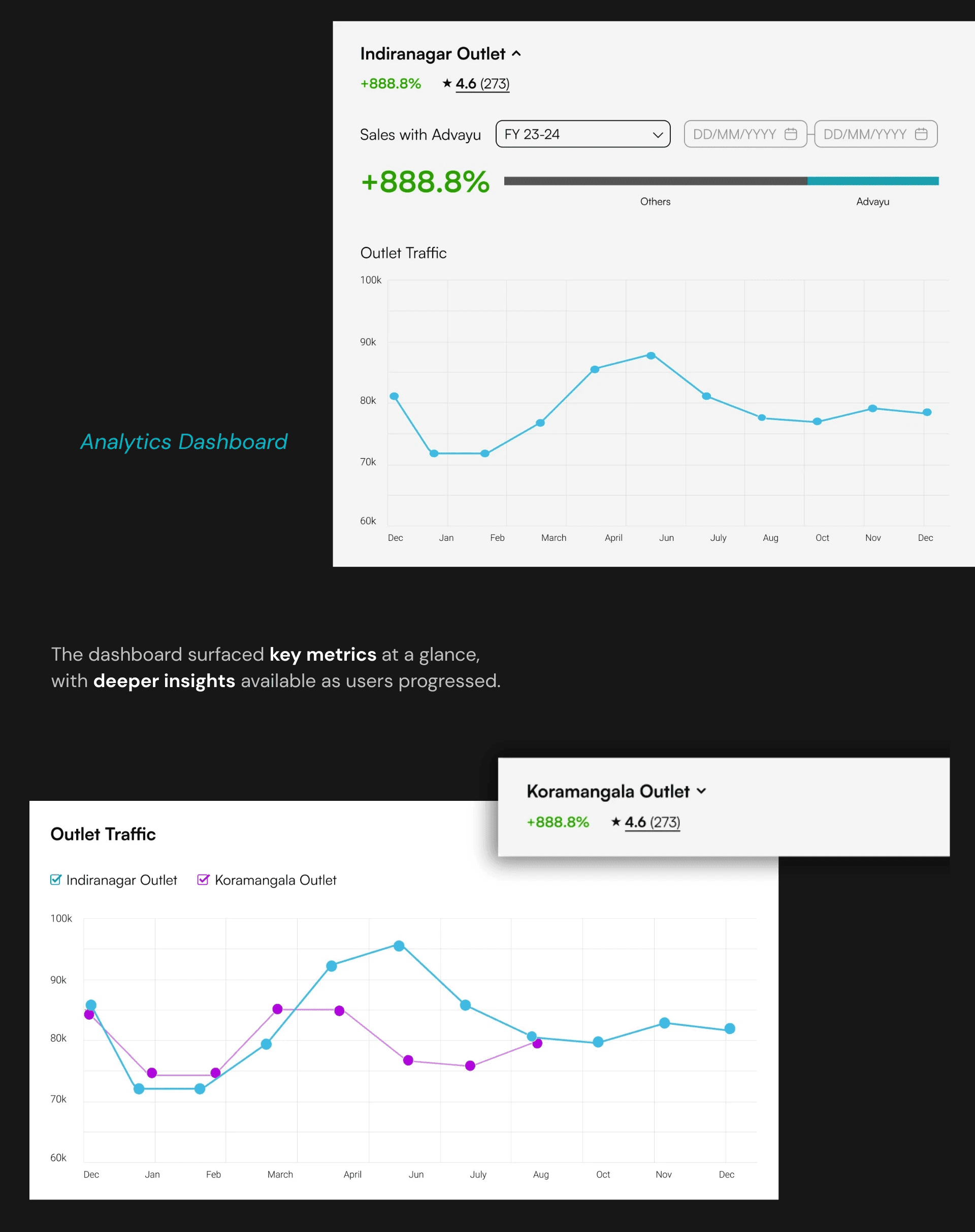
The product was redesigned around guided flows, clearer structure, and strong information hierarchy. This introduced step-by-step onboarding, simplified offer creation, and a dashboard that surfaces key insights at a glance — making the platform easier to adopt, understand, and scale.
To design clarity, we first had to understand complexity. That meant mapping the entire journey before shaping any screens.
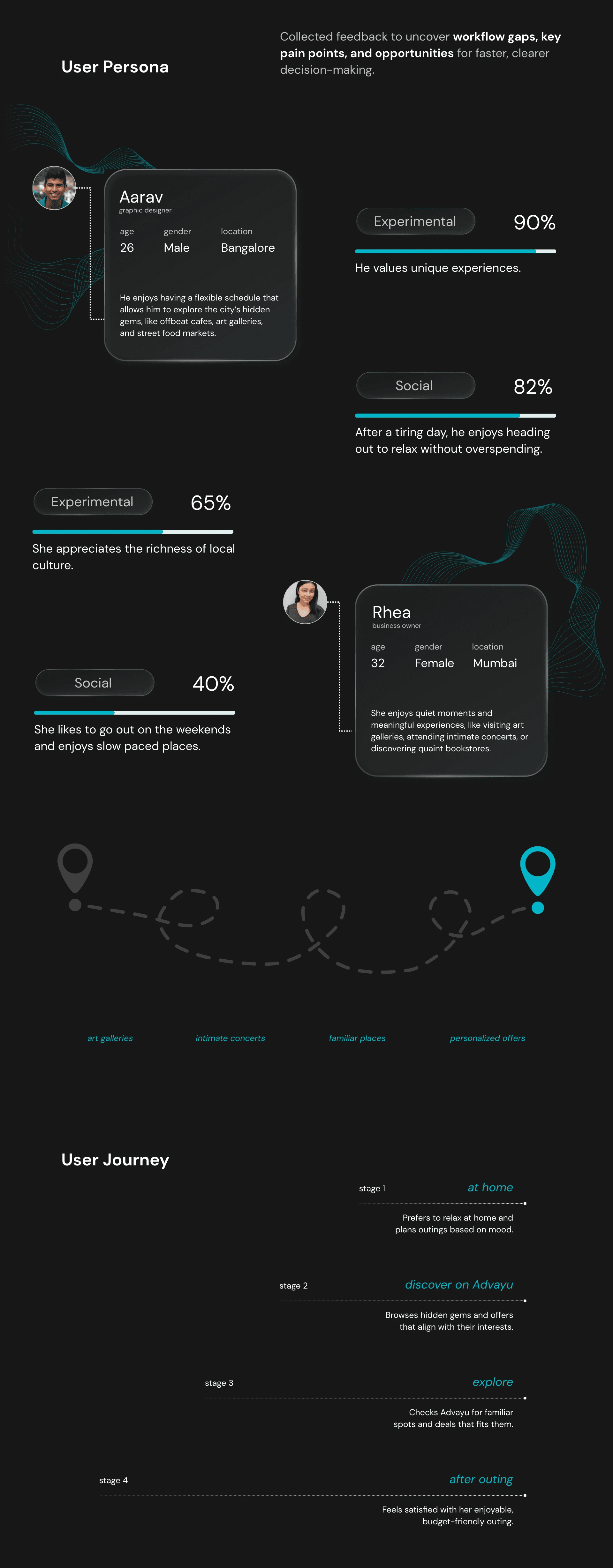
Before designing solutions, I analysed how brands currently moved through onboarding, offer creation, and performance tracking.
This helped surface the core issues:
Too much information presented too early
No sense of progress or completion
Analytics that felt disconnected from day-to-day actions
These insights shaped the structure and priorities of the redesign.
Research & Discovery
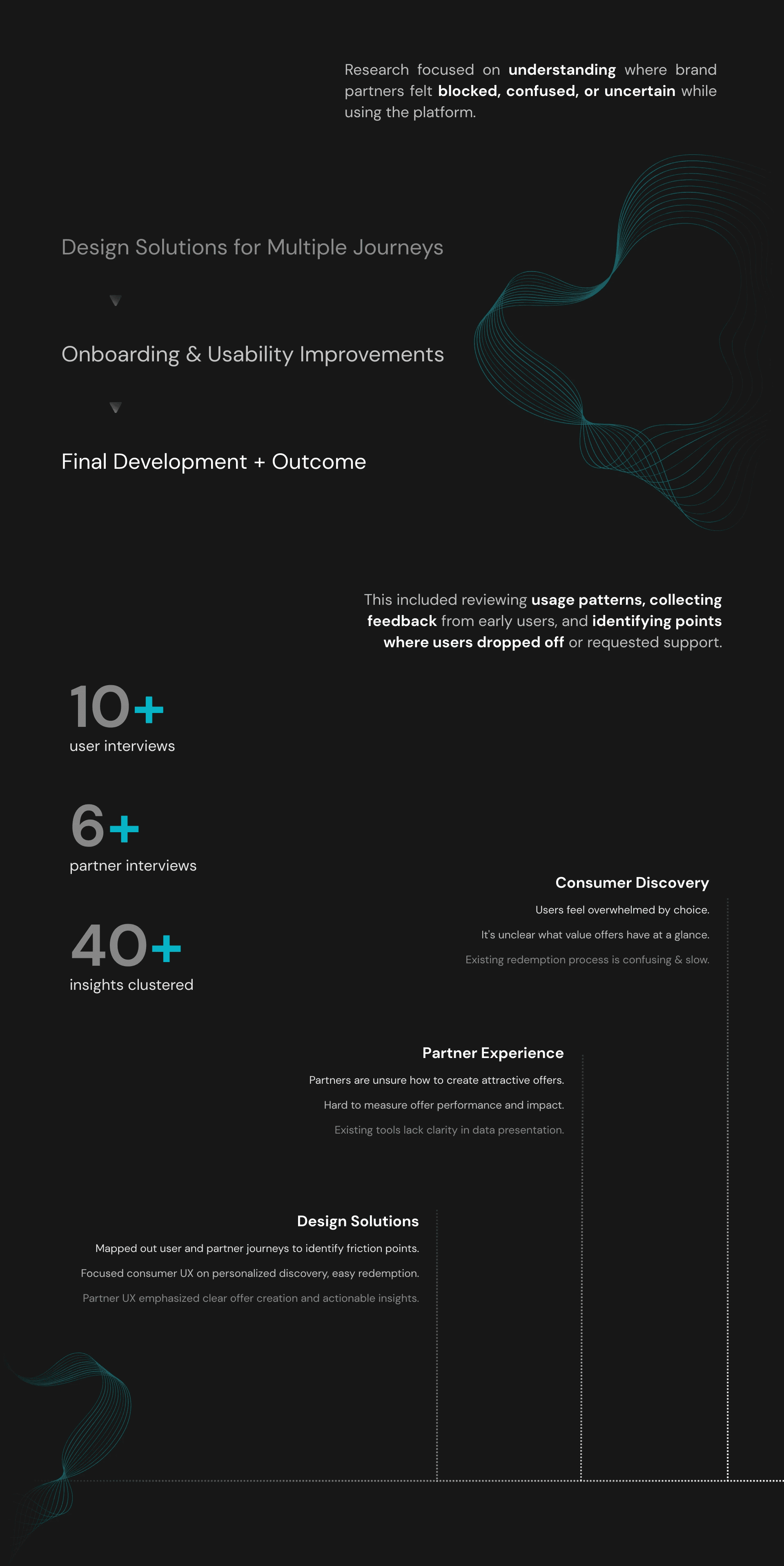
The goal was to understand not just what was happening, but why.
Key Insights
Three key insights emerged from research:
Users preferred guided steps over open-ended flows
Visible progress increased confidence and completion
Clear terminology mattered more than feature richness
These directly informed how onboarding, navigation, and analytics were structured.
Exploring Solutions
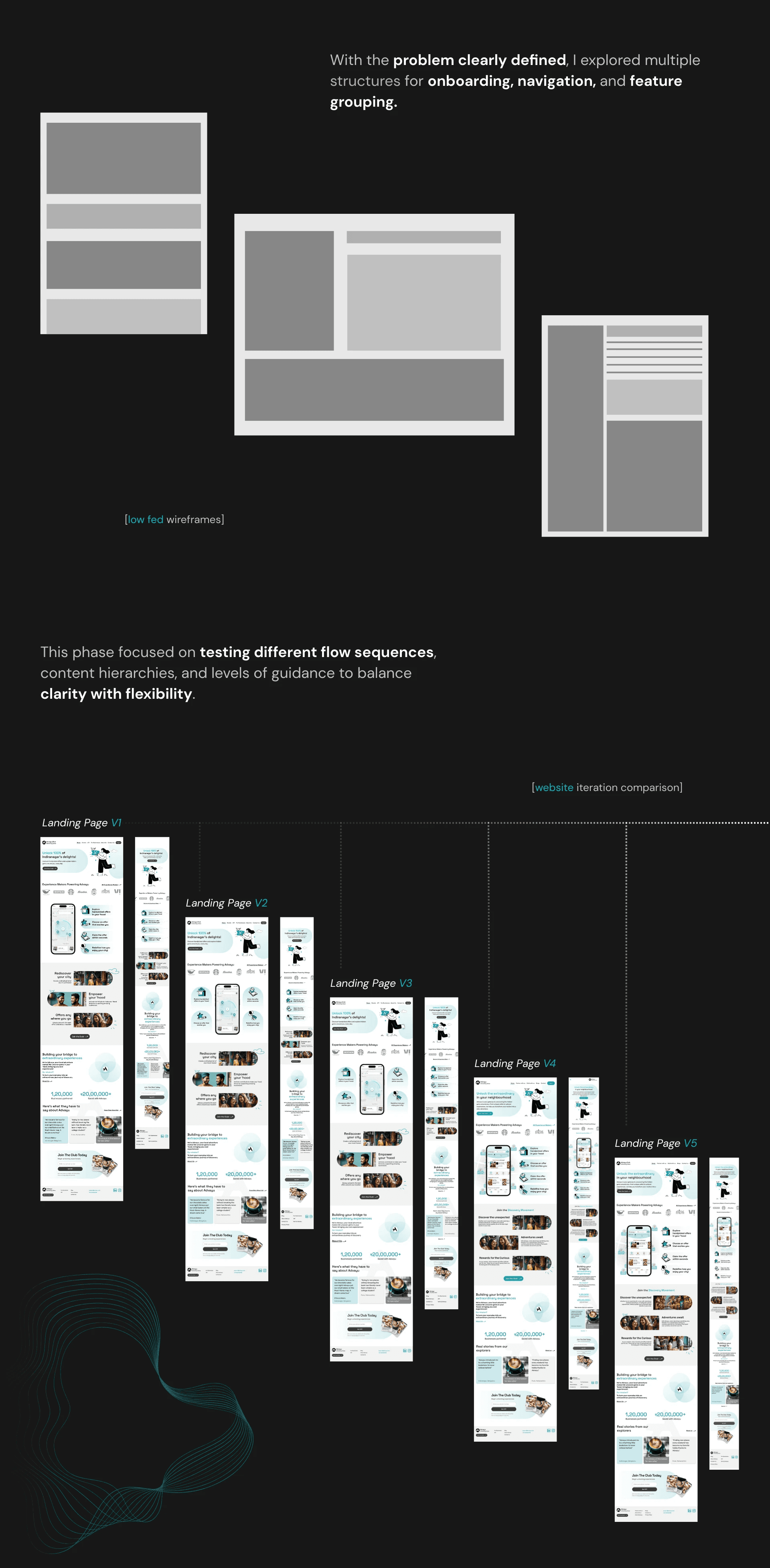
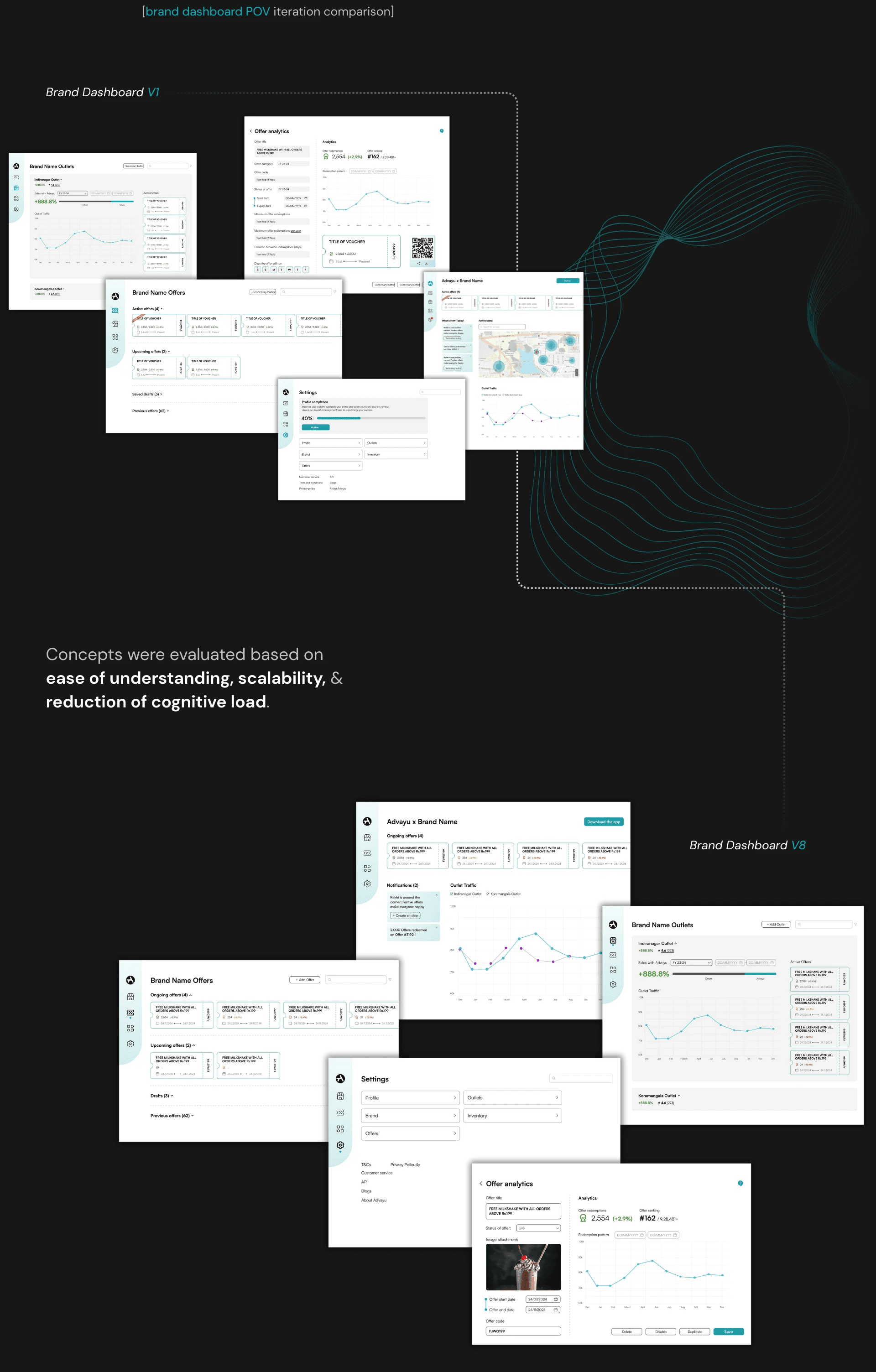
The Solution
Validation & Iteration
Early testing confirmed that users could complete onboarding independently, understand key metrics, and navigate the product without external guidance.
Feedback led to refinements in terminology, grouping, and visual hierarchy.
Impact & Learnings
The redesign improved onboarding completion, reduced reliance on support, and increased engagement with performance tracking.
It reinforced the importance of:
Clarity over flexibility in complex products
Guided experiences for non-technical users
Strong hierarchy in analytics-heavy interfaces